Creating a calm and relaxing atmosphere at home starts with the colors you choose for your walls, furniture, and decor. Colors have a powerful influence on our mood and energy levels. Selecting calm colors can help transform your space into a peaceful retreat where you can unwind and feel comfortable.
In this post, we’ll explore useful tips to help you choose calm colors for your home that promote relaxation and harmony.
Why Choose Calm Colors?
Calm colors tend to be soft, muted, or pastel shades that don’t overwhelm the senses. These colors help reduce stress and create a soothing environment. When your home feels peaceful, it can improve your overall well-being and make daily life more enjoyable.
Common calm colors include:
– Soft blues
– Pale greens
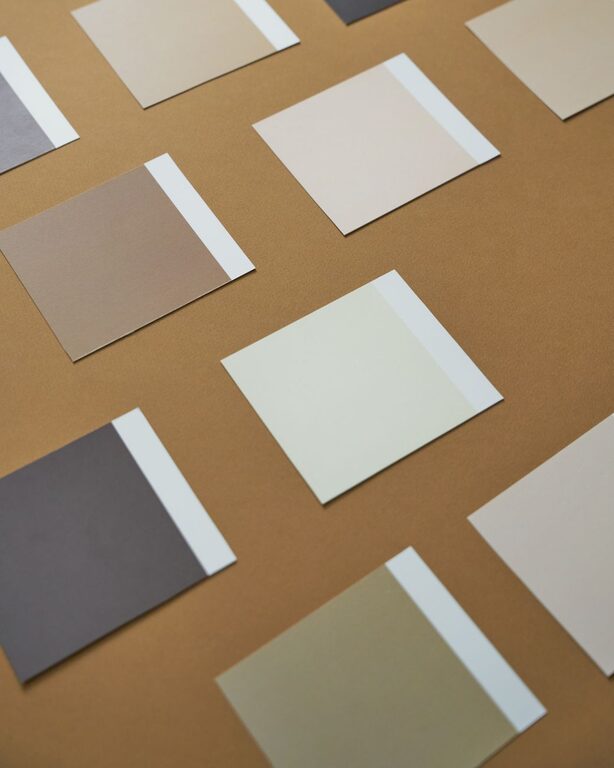
– Warm neutrals like beige or taupe
– Light grays
– Pastel pinks and lavenders
Tips for Choosing Calm Colors
1. Consider the Room’s Purpose
The function of each room influences the best calming colors to use. For example:
– Bedrooms: Soft blues, muted greens, and gentle lavenders work well for promoting sleep and relaxation.
– Living rooms: Warm neutrals or gentle earthy tones create an inviting and laid-back atmosphere.
– Home offices: Cool greens and blues help maintain focus while reducing anxiety.
– Bathrooms: Light blues and seafoam greens can evoke a spa-like, refreshing vibe.
2. Use a Color Palette
Instead of choosing just one color, create a palette that combines a few calm shades. This adds dimension and interest without overwhelming the space. You might pick a primary soft color for the walls and add complementary muted hues in the furniture, textiles, and decor.
Popular calming color palettes include:
– Blue, gray, and white
– Green, beige, and cream
– Soft pink, light gray, and taupe
3. Opt for Matte or Satin Finishes
Glossy or shiny finishes can reflect more light and feel more energetic. For calm spaces, matte or satin paint finishes tend to look softer and contribute to the soothing feel you’re trying to achieve.
4. Test Paint Samples in Different Lighting
Colors can look very different depending on the time of day and the type of lighting in a room. Always test paint samples on your walls before committing. Observe how the colors appear in natural daylight and artificial lighting—morning, afternoon, and evening conditions might change how calm a color feels.
5. Balance Cool and Warm Tones
While cool tones like blues and greens are often calming, they can sometimes feel chilly or sterile. To avoid this, balance them with warm neutrals (beige, soft browns) or warm accent pieces. This balance creates a cozy yet tranquil environment.
6. Use Natural Elements to Enhance Calm Colors
Incorporate natural materials like wood, stone, or plants, which complement soft color palettes and contribute to a restful atmosphere. Greenery adds life and depth while reinforcing calm, earthy tones.
7. Limit Bright or Bold Accents
Bright or highly saturated colors can disrupt calmness. If you want some contrast or vibrancy, introduce small accents such as cushions, artwork, or decorative objects in muted versions of your preferred hues rather than bold, intense colors.
Choosing Color Combinations
Monochromatic Scheme
Using different shades of the same color can look elegant and harmonious, perfect for creating calm. For example, various pale blues ranging from sky to powder blue maintain visual interest while feeling peaceful.
Analogous Colors
Colors next to each other on the color wheel, such as blue and green or pink and lavender, work well together and produce a natural, soothing transition from one hue to another.
Neutrals with a Splash of Pastel
Mixing classic neutral shades with subtle pastels adds warmth and freshness without overpowering the senses.
Final Thoughts
Choosing calm colors is a wonderful way to enhance your home’s comfort and serenity. Keep in mind the mood you want to create, the purpose of each space, and how lighting affects colors. By thoughtfully selecting a palette of soft, balanced shades, you’ll enjoy a tranquil environment created just for you.
Remember that your home should feel like a sanctuary. Take your time exploring colors and trust your instincts—they will guide you toward the perfect calm hues that suit your style and personality.
Happy decorating!
About the Author