
Managing household paper clutter can feel overwhelming, but with some simple strategies, you can regain control and create a tidier, more organized living space. Paper piles tend to accumulate quickly—bills, mail, receipts, kids’ artwork, and more. This post will guide you through practical steps to reduce paper clutter effectively, making your home more comfortable and your routines smoother.
Why Reducing Paper Clutter Matters
Paper clutter doesn’t just take up space; it can contribute to stress and make it harder to find important documents when you need them. Organizing or reducing paper helps:
– Save time searching for information
– Reduce stress and visual chaos
– Improve productivity and focus
– Create a cleaner, more welcoming environment
Step 1: Sort and Purge Regularly
The first key to reducing paper clutter is to sort through your existing papers and get rid of what you don’t need.
How to Sort Papers Effectively
– Create categories: bills, personal documents, warranties/manuals, kids’ schoolwork, junk mail, etc.
– Set aside dedicated time: block 30–60 minutes weekly or biweekly.
– Use bins or trays: label containers to separate different types of papers easily.
What to Toss or Recycle
– Old bills that have been paid and are no longer required for taxes
– Duplicate documents
– Junk mail and advertisements
– Expired coupons and offers
– Notes and reminders that are no longer relevant
Always shred sensitive documents before disposal to protect your personal information.
Step 2: Digitize Important Documents
One of the most effective ways to reduce paper clutter is to store documents digitally.
Getting Started with Digitizing
– Use a scanner or a scanning app on your phone (many are free)
– Create clear folders on your computer or cloud storage based on document type
– Rename files with descriptive titles and dates for easy retrieval
What to Digitize
– Bills and receipts you want to keep
– Tax documents
– Insurance policies and medical records
– Important personal documents like birth certificates or passports (keep original copies safely stored)
Digital copies reduce physical piles and make sharing or finding documents faster.
Step 3: Set Up an Incoming Paper System
Preventing clutter starts with how you handle new paper when it arrives.
Tips for Managing Incoming Paper
– Designate a spot: Have a specific inbox tray or folder for all incoming mail and papers.
– Sort immediately: Schedule a daily or weekly time to go through this pile.
– Take quick actions: Pay bills, file important documents, and recycle or shred unwanted mail right away.
– Use a calendar or reminder system: Track due dates for bills or other important deadlines.
By processing papers as they come, you avoid build-up and stay on top of your paperwork.
Step 4: Minimize Paper Use Where Possible
Reducing the amount of paper you bring into your home helps prevent clutter before it starts.
How to Cut Down on Paper
– Opt for electronic statements and bills whenever possible
– Sign up for e-tickets, digital coupons, and newsletters
– Use digital note-taking apps instead of sticky notes or paper notepads
– Encourage schools or organizations to send digital newsletters or updates
These habits not only reduce clutter but also support greener living.
Step 5: Organize with Simple Storage Solutions
Having a clear storage system keeps papers tidy and easy to access.
Practical Storage Ideas
– Use labeled file folders or accordion files for different categories
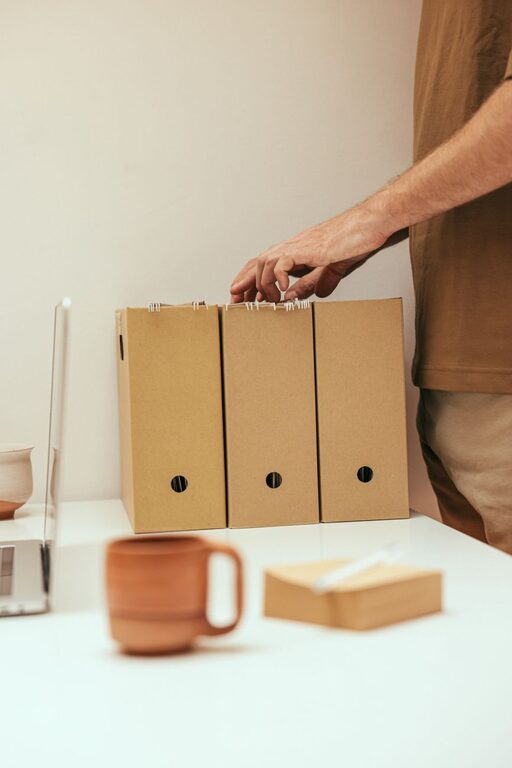
– Get a small filing cabinet or desktop organizer for frequently accessed documents
– Store sentimental papers (like kids’ artwork) in decorative boxes or binders with plastic sleeves
– Use clipboards or wall folders to keep bills and reminders visible yet organized
Keep your storage solutions in a convenient location to encourage regular use.
Step 6: Create a Routine and Stick to It
Consistency is key when it comes to managing paper clutter.
Building a Paper Management Routine
– Dedicate a few minutes daily to sorting mail or paperwork
– Schedule a weekly declutter session to file, digitize, or discard papers
– Involve family members by assigning simple tasks like placing mail in a designated spot
– Review your system every few months to adjust and improve
A consistent routine keeps clutter in check and makes organizing less daunting.
Bonus Tips: Additional Ways to Keep Paper Clutter at Bay
– Use online bill pay and automatic payments to reduce paper bills
– Shred or recycle papers as soon as you no longer need them
– Limit the number of magazines or catalogs you subscribe to
– Consider using notebooks or planners that combine multiple purposes
Final Thoughts
Reducing household paper clutter doesn’t have to be complicated. With a few simple steps—sorting and purging, digitizing important documents, managing incoming papers efficiently, reducing paper use, organizing storage, and maintaining a routine—you can create a more organized and peaceful home environment. Start small, stay consistent, and enjoy the benefits of a clutter-free space!
About the Author