
Reducing food waste at home is not only good for your wallet but also beneficial for the environment. Every year, millions of tons of food are discarded, contributing to greenhouse gas emissions and wasting valuable resources. By adopting a few practical habits, you can cut down on food waste, make the most of your groceries, and promote a more sustainable lifestyle. Here are some effective ways to reduce food waste at home.
Plan Your Meals Ahead
One of the best ways to prevent food waste is to plan your meals in advance. When you know exactly what meals you’re preparing, you can shop smarter and only buy what you need.
– Create a weekly meal plan: Outline breakfasts, lunches, dinners, and snacks for the week.
– Make a shopping list: Based on your meal plan, write down only the ingredients you need.
– Check your pantry and fridge: Use what you already have before buying more.
Meal planning helps avoid impulse buys and reduces the chances of food going unused.
Shop Smart and Buy Wisely
How you shop can greatly impact your food waste. Here are tips for more thoughtful shopping:
– Buy loose produce: This way, you can choose exactly how much you want instead of buying pre-packaged amounts.
– Understand portion sizes: Buy quantities that match your household’s eating habits.
– Avoid bulk buying if it leads to waste: Although often cheaper, bulk items can expire before you use them all.
– Choose “ugly” fruits and veggies: They taste just as good but often get discarded in stores due to appearance.
Shopping with a clear list and realistic expectations helps reduce forgetfulness and excess.
Store Food Properly
Proper food storage extends the life of your groceries and prevents premature spoilage.
– Use airtight containers: Keep leftovers and fresh foods sealed to maintain freshness.
– Understand fridge organization: Store raw meat on lower shelves to avoid contamination, and place produce in designated drawers.
– Keep herbs fresh: Treat them like flowers—trim stems and place in water in the fridge.
– Freeze what you won’t use soon: Many items like bread, meat, and even fruits freeze well.
Learning which foods need refrigeration and which don’t can save money and reduce waste.
Use Leftovers Creatively
Leftover food is a prime candidate for waste reduction. Instead of tossing extras, consider:
– Reinventing meals: Turn roasted vegetables into soups or stews.
– Freezing extras: Portion and freeze leftovers for future quick meals.
– Incorporating scraps: Use vegetable peels and stems in broths.
– Sharing meals: If you have too much food, offer portions to friends or neighbors.
Creativity in the kitchen can transform leftovers into delicious new dishes.
Practice Portion Control
Serving the right amount of food helps avoid uneaten plates in the trash.
– Serve smaller portions: You can always go back for seconds if still hungry.
– Encourage family participation: Allow each person to serve themselves to control portion sizes.
– Use smaller plates: This can visually help reduce portions without causing dissatisfaction.
Over-serving often leads to food being discarded, so portion control is a simple step toward waste reduction.
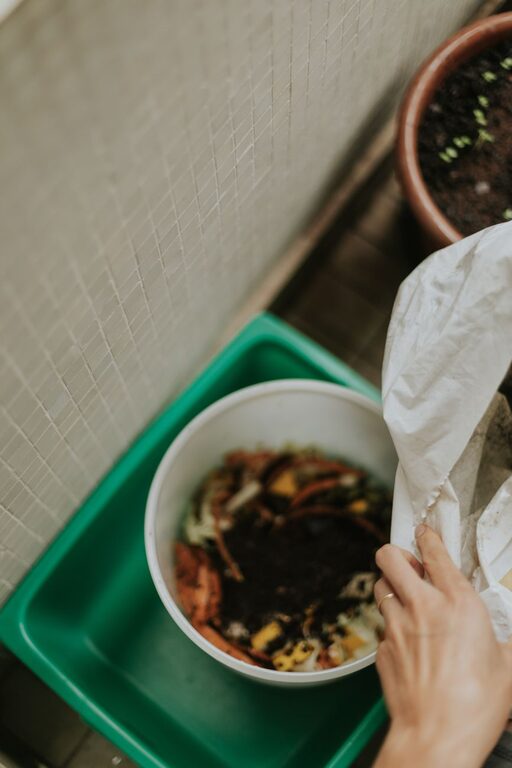
Compost Food Scraps
Even with careful planning, some food scraps are unavoidable. Composting is an eco-friendly way to handle organic waste.
– Collect scraps: Save fruit peels, coffee grounds, eggshells, and vegetable scraps.
– Use a home compost bin: Turn waste into nutrient-rich soil for your garden.
– Learn what composting materials are suitable: Avoid meat, dairy, and oily foods in compost.
Composting helps reduce landfill waste and creates beneficial soil for plants.
Keep an Eye on Expiration Dates
Understanding expiration, sell-by, and best-before dates can reduce unnecessary tossing.
– Use the “first-in, first-out” (FIFO) method: Place newer items behind older ones in your fridge and pantry.
– Know the difference: “Best before” is about quality, not safety; many foods are still safe after this date.
– Smell and look: Use senses to judge whether food is still edible rather than solely relying on dates.
This approach helps you avoid discarding still-good food just because the label says so.
Donate Extra Food
If you find yourself with more food than you can use, consider donating.
– Local food banks: Check if they accept non-perishable and fresh food donations.
– Community fridges: Some neighborhoods have shared fridges for free food access.
– Neighbors and friends: Sharing surplus food builds community and reduces waste.
Donating edible food ensures it goes to those in need instead of the trash.
Final Thoughts
Reducing food waste at home takes some planning and a shift in habits, but the benefits are substantial. From saving money to protecting the environment, every small step adds up. By planning meals, shopping smart, storing food correctly, and finding creative ways to use leftovers, you can make a positive impact. Start with one or two of these strategies and expand as you go—it’s easier than you might think!
About the Author